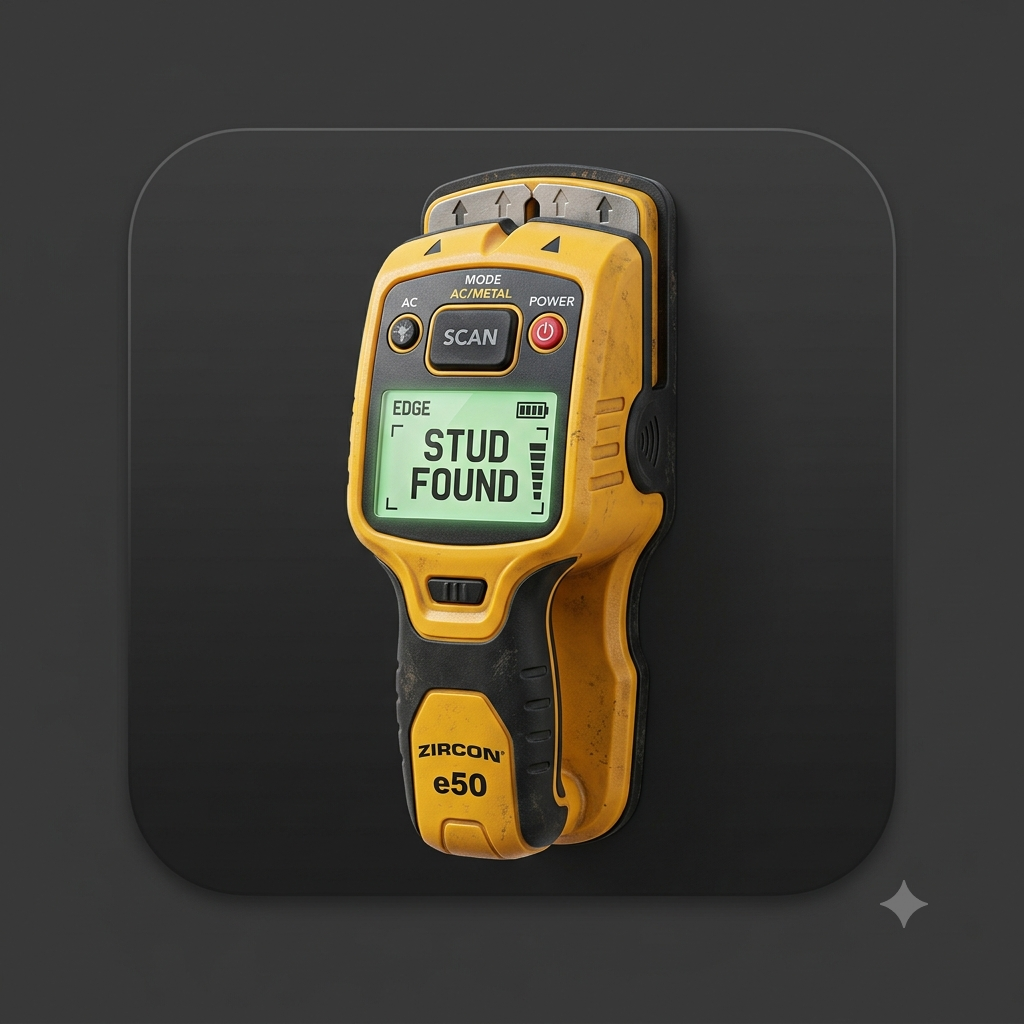
 Stud Finder
Understanding Where Wires and Pipes Run Behind Drywall
Electrical cables run horizontally and vertically between outlets, switches, and the ceiling. Plumbers run water lines and vent pipes through wall cavities, particularly in walls adjacent to kitchens, bathrooms, and laundry rooms. Wires are routed through holes drilled in the center of framing studs. Knowing this geometry helps you avoid drilling randomly; never drill directly above, below, or in line with electrical outlets, light switches, or plumbing fixtures.
- Electrical lines: Typically run horizontally 12 inches off the floor or vertically next to studs.
- Plumbing paths: Avoid drilling in walls directly behind bathrooms, kitchens, and laundry sinks.
- HVAC ducts: Usually run in wide bays between studs; look for registers on floors or ceilings.
The 1.25-Inch Rule and Stud Guard Plates
The National Electrical Code (NEC) requires electrical wires running through studs to be located at least 1.25 inches away from the front face of the stud [1]. This prevents drywall screws from piercing the cables. If a wire must run closer than 1.25 inches, builders are required to nail a heavy steel plate (a stud guard) to the face of the stud. If you are drilling into a stud and hit hard, impenetrable metal, stop immediately—you have likely hit a stud guard protecting a live cable.
Using Stud Finders with AC Wire Detection and Non-Contact Voltage Pens
Many electronic stud finders include built-in AC wire detection, which senses the electromagnetic field emitted by live, unshielded wires. Alternatively, you can scan the wall using a non-contact voltage detector pen. These pens beep when they detect live electrical current through drywall. Note that wires that are not powered (e.g. switches turned off) may not emit a detectable field, so turn on all lights and appliances in the room before scanning [2].
Depth-Controlled Drilling: How to Avoid Deep-Wall Hazards
Standard drywall is 1/2 inch or 5/8 inch thick. To attach a bracket to a stud, your screw only needs to penetrate 1 to 1.5 inches into the wood. Set your drill bit depth by wrapping a piece of painter's tape around the bit 1 inch from the tip. This acts as a visual guide, ensuring you drill deep enough to pass through the drywall and enter the stud, but not deep enough to strike electrical wires or pipes routed through the center of the stud cavity.